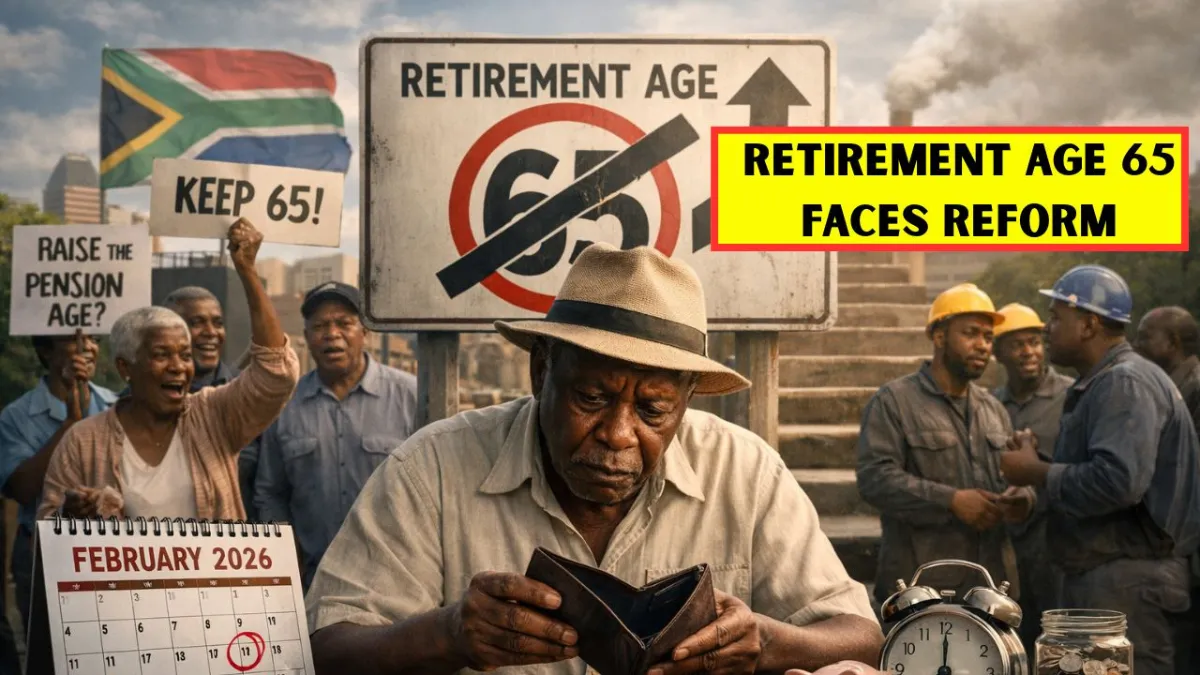
The long-standing idea of retiring at 65 is now under serious review as governments and pension systems face rising costs and longer life expectancy. From February 2026, debates over pension age reforms are intensifying, and millions of workers could see changes to when they qualify for retirement benefits. These proposed adjustments could affect retirement planning, savings strategies, and the age at which people can stop working.
Overview of the Pension Age Reform Debate
For decades, age 65 has been considered the traditional retirement benchmark in many systems. However, increasing life expectancy and shrinking working-age populations are putting pressure on pension funds. As people live longer, they also draw pensions for more years, which increases the financial burden on governments and social security programs.
To keep pension systems sustainable, policymakers are considering raising the retirement age or linking it to life expectancy. This means the retirement age could gradually increase over time rather than staying fixed.
Key Highlights of the Proposed Reforms
- Gradual increase in the official retirement age beyond 65
- Possible link between retirement age and life expectancy
- New rules for early and delayed retirement benefits
- Changes in pension contribution periods
- Adjustments to benefits for different age groups
Important Timeline for the 2026 Reform Discussions
While final decisions may vary by region, February 2026 is expected to be a key period for policy announcements, public consultations, and legislative debates.
| Phase | Timeline | Expected Action |
|---|---|---|
| Policy Review Stage | Early 2026 | Governments analyze pension sustainability |
| Public Debate and Consultation | February 2026 onward | Discussions with workers, unions, and experts |
| Draft Reform Announcements | Mid-2026 | Official proposals released |
| Gradual Implementation | Late 2026 and beyond | Changes applied in phases |
Who Could Be Affected by the Changes
The proposed reforms are expected to impact both current workers and future retirees. People who are close to retirement may see only minor adjustments, while younger workers could face higher retirement ages in the future.
Employees in physically demanding jobs may receive special provisions, such as earlier retirement options or adjusted benefits. Self-employed workers and those with interrupted careers may also see changes in how pension eligibility is calculated.
Key Features of the New Retirement Age Proposals
One major feature under discussion is the gradual increase in the retirement age. Instead of a sudden jump, the age could rise by a few months each year. This gives workers time to adjust their retirement plans.
Another proposal is to link retirement age to life expectancy. If people live longer on average, the retirement age would increase automatically. This approach aims to keep pension systems financially balanced over the long term.
Some reforms may also encourage delayed retirement by offering higher monthly pension benefits to those who choose to work longer.
How the New Pension Rules Could Work
Under the proposed system, workers would continue contributing to pension funds for a longer period. In return, they would receive benefits at a later age.
Early retirement options may still exist, but they could come with reduced monthly payments. On the other hand, those who retire later than the official age could receive increased benefits as a reward for longer contributions.
Digital pension tracking systems may also become more common, allowing workers to monitor their expected retirement age and benefits in real time.
Possible Challenges and Public Concerns
Raising the retirement age is often controversial. Many workers worry about their ability to continue working into their late sixties, especially in physically demanding jobs.
There are also concerns about employment opportunities for older workers. Without proper support, some people may struggle to find or keep jobs as they approach retirement age.
Another challenge is fairness between generations. Younger workers may feel they are being asked to work longer while older generations retired earlier.
What Workers Should Do to Prepare
As pension rules evolve, workers should review their retirement plans and savings strategies. Understanding expected retirement age, contribution requirements, and benefit calculations can help avoid surprises later.
Individuals may consider increasing personal savings, exploring employer pension plans, or seeking financial advice. Planning early can make it easier to adjust if the retirement age rises.
Latest Updates and What to Expect Next
February 2026 is expected to bring more clarity as governments release proposals and consult with stakeholders. Some regions may announce phased retirement age increases, while others may focus on contribution changes or flexible retirement options.
Final decisions will likely be implemented gradually, giving workers time to adapt.
Conclusion
The debate over pension age reforms signals a major shift in retirement planning. The traditional retirement age of 65 may no longer be the standard as populations live longer and pension systems face financial pressure. Workers should stay informed about policy updates, review their savings plans, and prepare for the possibility of working longer before claiming full retirement benefits.
Disclaimer
This article is for general informational purposes only. Pension rules, retirement ages, and eligibility criteria may vary by region and should be confirmed through official sources.
FAQs
Why is the retirement age being increased?
Governments are considering changes because people are living longer, which increases the cost of pension systems.
Will everyone have to retire later than 65?
Not necessarily. Changes are often introduced gradually and may affect younger workers more than those close to retirement.
Can people still retire early under the new system?
Early retirement options may still exist, but benefits could be reduced compared to retiring at the official age.
What happens if someone works beyond the retirement age?
In many systems, working longer may result in higher monthly pension benefits.
How will the new retirement age be calculated?
Some proposals suggest linking retirement age to life expectancy, meaning it may increase as people live longer.