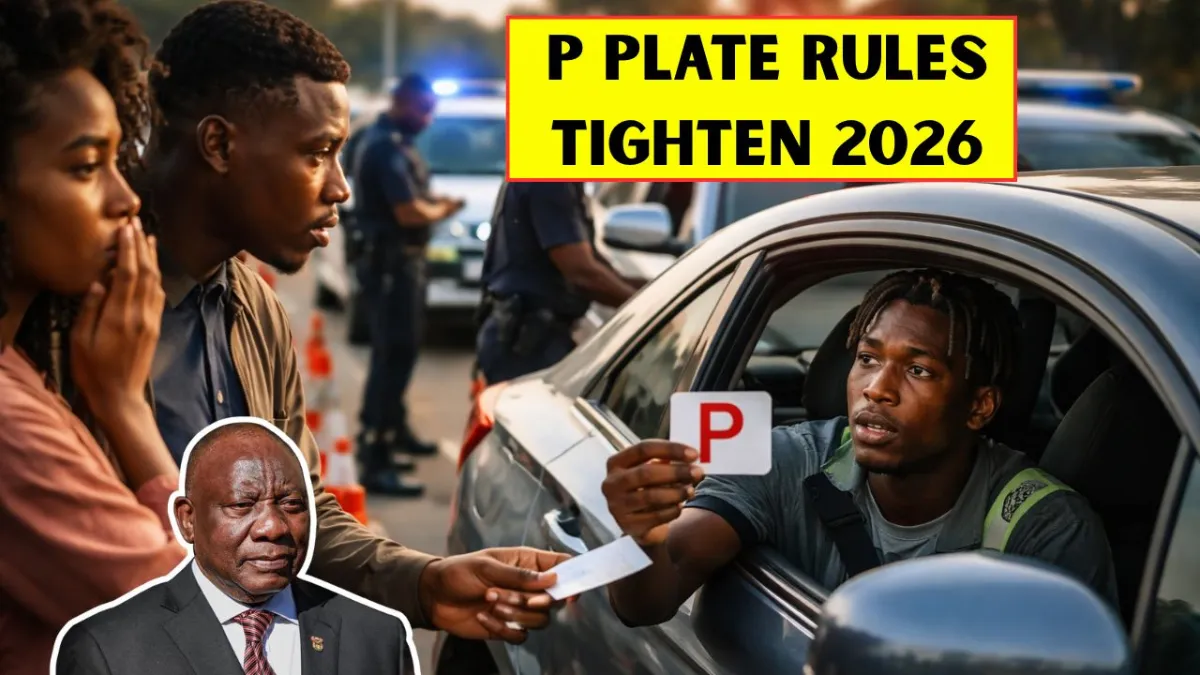
Learning to drive is a major milestone, but the rules for new drivers are now expected to become much stricter. Across 2026, updated probationary or P-plate regulations could introduce tougher penalties, lower tolerance for mistakes, and tighter monitoring of driving behavior. These changes are designed to reduce accidents among inexperienced drivers, but they may also affect how new drivers learn, keep their licenses, and avoid penalties.
Overview of the Proposed P-Plate Rule Changes
P-plate or probationary license systems are commonly used to monitor new drivers during their first years on the road. Authorities often impose special conditions during this stage, such as lower speed limits, passenger restrictions, and stricter demerit rules.
In 2026, updated proposals and reforms in several regions suggest that these conditions could become more severe. The main goal is to improve road safety by reducing risky driving among inexperienced motorists.
These changes may include tougher fines, stricter point systems, and faster suspension for repeated violations. Authorities are focusing especially on speeding, mobile phone use, and dangerous driving.
Key Highlights of the 2026 Changes
- Lower tolerance for traffic violations during the probation period
- Faster license suspension after repeated offences
- Higher fines for speeding and phone use while driving
- Extended probation period in some cases
- Mandatory driver education or safety courses after serious offences
Important Timeline and Implementation
While exact dates may vary by region, many of the new rules are expected to roll out gradually throughout 2026. Some areas may introduce the changes at the beginning of the year, while others could implement them mid-year after legislative approval.
| Stage | Expected Timeline | What Happens |
|---|---|---|
| Announcement Phase | Early 2026 | Authorities confirm new rules |
| Adjustment Period | First half of 2026 | Drivers informed and systems updated |
| Enforcement Begins | Mid to late 2026 | Stricter penalties applied |
| Full Implementation | End of 2026 | All new P-plate rules active |
Who Will Be Affected by the New Rules
The stricter regulations are mainly aimed at new and probationary drivers. This typically includes individuals who have recently passed their driving test and are in their initial licensing period.
Drivers who already hold full licenses may not be directly affected. However, repeat offenders or those returning to probationary status after suspensions could also fall under the new rules.
Young drivers and first-time license holders are expected to experience the biggest impact.
Key Features of the Updated Penalty System
Authorities are focusing on high-risk behaviors that commonly cause accidents among new drivers. The revised system may introduce stricter consequences even for minor offences.
For example, fewer demerit points could be allowed before a suspension. A single serious offence might lead to immediate license loss instead of warnings or small fines.
In some cases, drivers who lose their probationary license may be required to restart the licensing process or complete safety training before regaining driving privileges.
How the New Rules Will Work in Practice
Once implemented, traffic violations committed during the probation period will be tracked more strictly. Automated systems such as speed cameras and digital license records will make enforcement faster and more consistent.
Authorities may also require drivers who commit serious offences to attend compulsory driver education programs. These programs are meant to correct risky behavior before it leads to major accidents.
The focus is not only on punishment but also on prevention and safer driving habits.
Possible Challenges and Concerns
While safety improvements are the main goal, the stricter rules could create challenges for new drivers. Some may find it harder to maintain their licenses if penalties are applied quickly.
Longer probation periods could also delay full driving privileges. In areas with limited public transport, this may affect students, workers, and families who rely on personal vehicles.
There may also be concerns about fairness, especially if drivers feel the penalties are too strict for minor mistakes.
What New Drivers Should Do to Stay Safe and Compliant
New drivers should take extra care during their probation period, especially under stricter 2026 rules. Following traffic laws closely can help avoid fines, points, or license suspension.
Drivers are encouraged to review the updated rules in their area, attend safety programs if offered, and avoid distractions such as mobile phone use while driving.
Building safe driving habits early can help ensure a smooth transition to a full license.
Latest Updates and What to Expect Next
Authorities are expected to release more detailed guidelines as the 2026 rollout continues. Some regions may adjust penalty amounts, probation durations, or educational requirements.
Drivers should stay updated through official announcements and licensing authorities to understand exactly how the changes apply in their area.
Conclusion
The stricter P-plate rules expected in 2026 represent a major shift in how new drivers are monitored and penalized. While the changes may seem tougher, they are aimed at reducing accidents and promoting safer driving habits. New drivers should prepare by learning the updated rules, avoiding risky behavior, and focusing on safe driving practices from the very beginning.
Disclaimer
This article is for general informational purposes only. Specific rules, penalties, and timelines may vary by region and should be confirmed with official authorities.
FAQs
What are P-plate rules?
P-plate rules apply to probationary drivers who have recently obtained their licenses. These rules usually include special conditions and stricter penalties.
When will the new rules start?
Many regions are expected to begin implementing the changes during 2026, with full enforcement by the end of the year.
Will the stricter rules apply to all drivers?
No, the rules are mainly designed for new or probationary drivers. Fully licensed drivers are usually not affected unless they return to probation status.
What offences will carry the toughest penalties?
Speeding, mobile phone use while driving, and dangerous driving are likely to receive the strictest penalties.
Can a probationary driver lose their license after one offence?
In some cases, a serious violation could lead to immediate suspension, depending on the updated rules in that region.