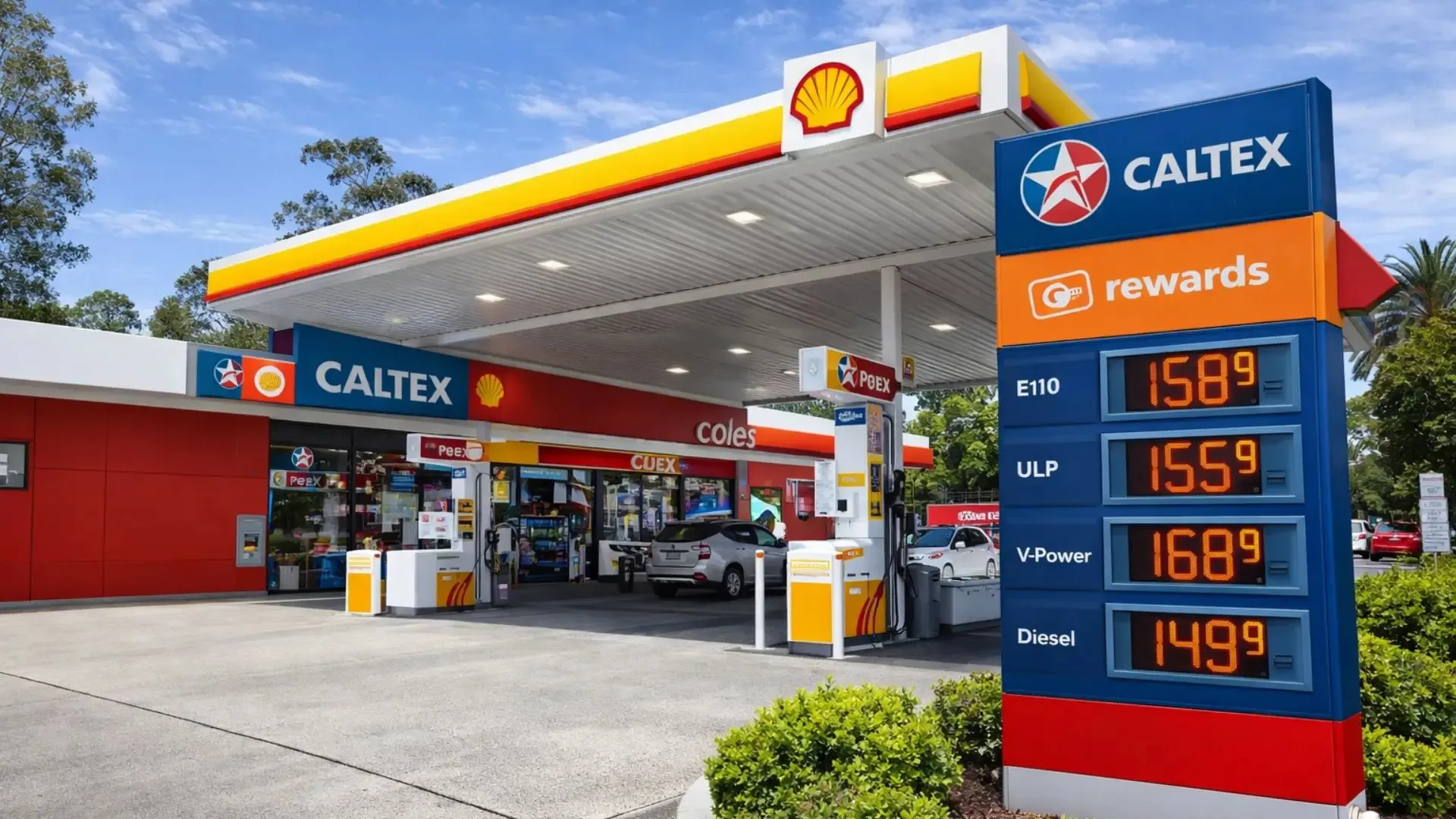
Motorists are bracing for a major fuel price increase as petrol is set to rise by $0.25 per litre from 20 February 2026. After months of relatively stable rates, drivers across the country may soon feel the pressure at the pump. The upcoming hike is expected to impact household budgets, transport businesses and daily commuters.
With fuel being a basic necessity for millions, even a small increase can make a big difference over time. Here is everything you need to know about the new petrol price rise and how it could affect you.
Why Petrol Prices Are Rising in February 2026
The expected 25 cent per litre increase is linked to a combination of global oil market movements, currency fluctuations and local tax or excise adjustments. When international crude oil prices rise or supply becomes tight, retail fuel prices usually follow.
Changes in fuel excise rates or transport costs can also add to the final price motorists pay. From 20 February 2026, these combined factors are pushing prices noticeably higher.
How Much More Will Drivers Pay
A 25 cent increase per litre may not seem large at first, but it quickly adds up depending on how much fuel you use.
Here is an example of how the increase may impact common fuel tank sizes.
| Fuel Tank Size | Extra Cost Per Fill |
|---|---|
| 40 litres | $10.00 |
| 50 litres | $12.50 |
| 60 litres | $15.00 |
| 80 litres | $20.00 |
For families with multiple vehicles or long daily commutes, the monthly fuel bill could rise significantly.
Who Will Be Most Affected
The price increase will affect nearly all motorists, but some groups may feel it more strongly.
• Daily commuters who drive long distances
• Delivery drivers and transport operators
• Small businesses relying on vehicle fleets
• Regional residents with limited public transport
• Ride share and taxi drivers
Higher petrol prices often lead to increased transport costs, which can also raise prices for goods and services.
Will Diesel Prices Also Increase
In many cases, diesel prices move in line with petrol due to similar supply and tax structures. While the confirmed figure applies to petrol, diesel users may also experience price adjustments depending on market conditions.
Businesses relying on trucks and heavy vehicles should monitor fuel rates closely after 20 February.
How the Increase Could Affect the Economy
Fuel prices influence more than just transport costs. When petrol becomes more expensive, it can contribute to inflation. Higher fuel costs increase shipping expenses, which may lead to higher prices for groceries and other everyday items.
Consumers may also reduce discretionary spending if more of their income goes toward fuel. This can impact retail and service industries.
Tips to Manage Higher Fuel Costs
Although drivers cannot control fuel prices, there are practical steps to reduce the financial impact.
Driving at steady speeds, maintaining proper tyre pressure and avoiding unnecessary trips can improve fuel efficiency. Carpooling or using public transport when possible may also help reduce expenses.
Monitoring local fuel price cycles and filling up before peak periods can sometimes save money.
Will the Price Rise Be Permanent
Fuel prices are influenced by global markets, so they can move up or down over time. While the 25 cent rise from 20 February 2026 is expected to take effect, future adjustments will depend on oil supply, demand and economic conditions.
Motorists should prepare for potential short term volatility in the weeks following the increase.
Conclusion
The upcoming 25 cent per litre petrol price rise from 20 February 2026 marks a significant shift for drivers. Even small increases can quickly add up, especially for households and businesses that rely heavily on vehicles. Understanding how much extra you may pay and planning ahead can help reduce the impact.
With global oil trends and local policies shaping fuel costs, motorists should stay informed and look for ways to improve fuel efficiency during this period of higher prices.
Disclaimer
Fuel prices are subject to market changes and may vary by region. Always check local pricing information for the most accurate rates.
FAQs
When will petrol prices increase by 25 cents per litre
The increase is set to take effect from 20 February 2026.
How much extra will I pay per tank
It depends on your tank size. A 50 litre tank would cost about $12.50 more per fill.
Will diesel prices also rise
Diesel prices often move in line with petrol, but exact changes may vary.
Why are fuel prices increasing
The rise is linked to global oil prices, currency changes and local excise adjustments.